What is Workplace Hygiene Protocol?
Workplace Hygiene Protocol is a set of standardized procedures and guidelines designed to maintain clean, safe, and healthy conditions in office environments. It includes regular cleaning schedules, disinfection practices, and employee hygiene standards to prevent the spread of illness and contamination in shared workspaces.
TL;DR: Standardized cleaning and hygiene procedures that keep offices safe, clean, and healthy for all employees.
Key Takeaways About Workplace Hygiene Protocol
- Combines regular cleaning schedules with targeted disinfection of high-touch surfaces and common areas.
- Protects employee health by reducing disease transmission and maintaining sanitary workplace conditions.
- Includes documented procedures for breakrooms, bathrooms, meeting rooms, and shared equipment.
- Meets Australian workplace health and safety standards and building code requirements.
- Requires consistent implementation and monitoring to remain effective over time.
Understanding Workplace Hygiene Protocol: Definition and Context
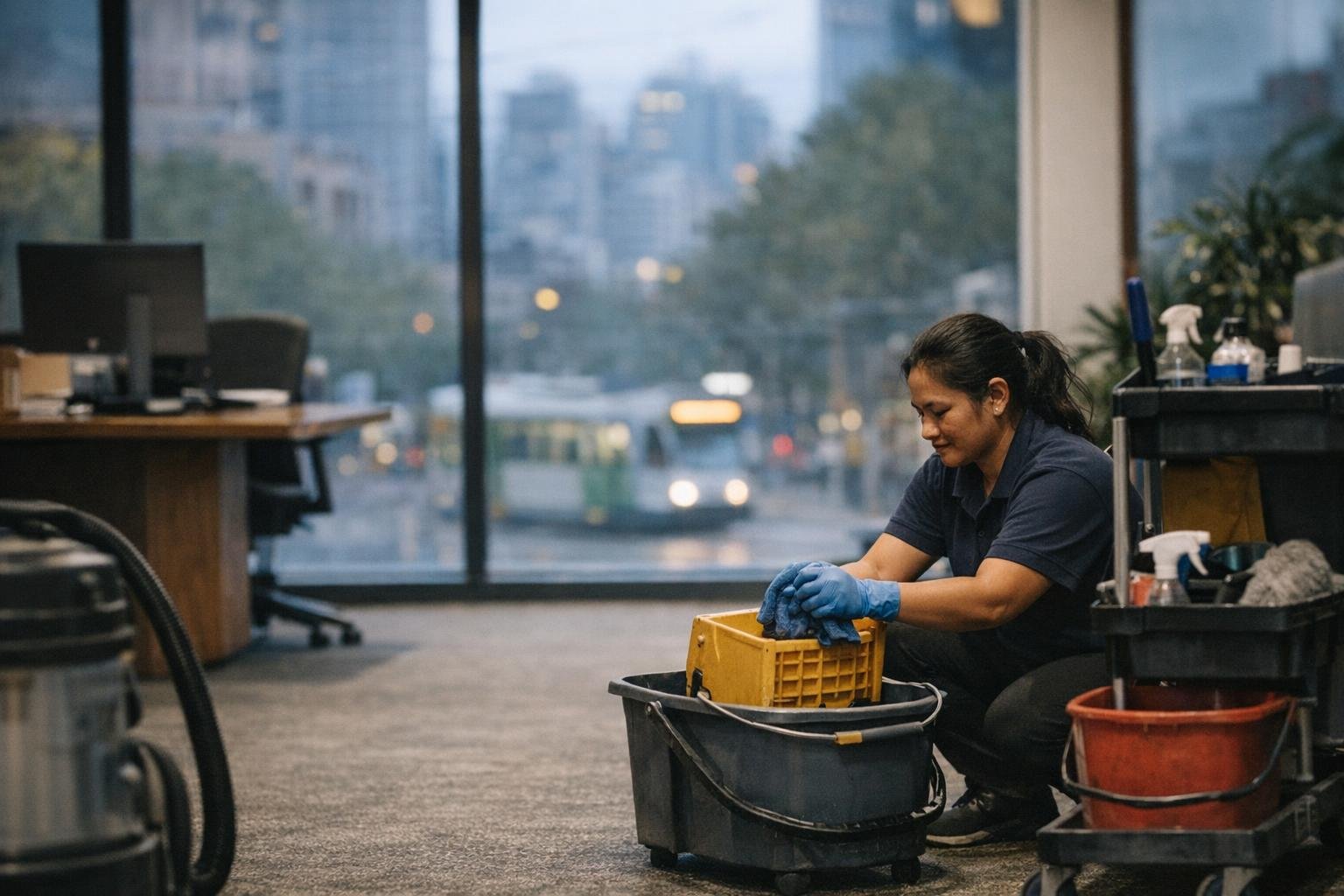
Workplace Hygiene Protocol is a set of standardized procedures and guidelines. It keeps office environments clean, safe, and healthy. It includes regular cleaning schedules, disinfection practices, and employee hygiene standards. These prevent the spread of illness and contamination in shared workspaces.
A full workplace hygiene protocol covers multiple areas of an office. This includes restrooms, breakrooms, meeting spaces, and shared equipment. It establishes clear procedures for daily, weekly, and monthly cleaning tasks. It specifies which surfaces require disinfection. It outlines the products and methods to be used. The protocol also addresses how to handle spills. It covers how to manage waste. It explains how to respond to contamination events.
Based on our work with local clients in Melbourne CBD offices, workplace hygiene protocols must comply with Australian workplace health and safety legislation. This includes the Work Health and Safety Act 2011. It also includes relevant building codes. These protocols are often custom to each office's specific needs. They take into account the number of employees. They consider office layout, industry type, and special requirements. Medical or food-related work may have special requirements.
Why Workplace Hygiene Protocol Matters for Office Cleaning Customers
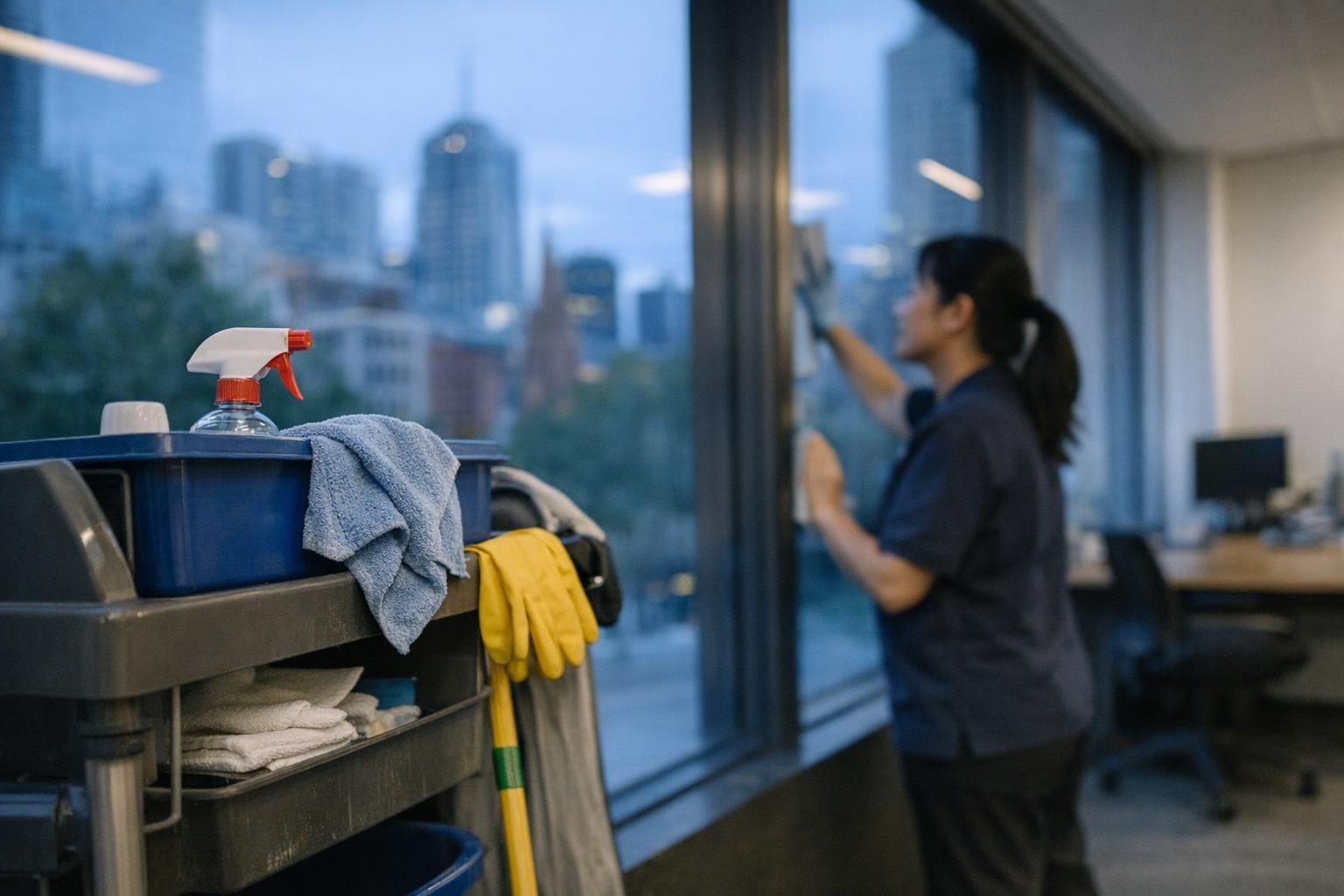
Implementing a strong workplace hygiene protocol directly protects employee health. It protects their wellbeing too. By reducing bacteria, viruses, and allergens, offices can lower absenteeism due to illness. This creates a more productive work environment. Employees feel safer and more confident in their workspace. They know cleaning standards are being consistently maintained.
A documented hygiene protocol also provides legal protection for businesses. It demonstrates that the organisation is taking reasonable steps. It provides a safe workplace. This is essential for compliance with health and safety regulations. A visible commitment to hygiene standards can improve client perception. It boosts employee morale. It reduces liability risks associated with workplace contamination or illness outbreaks.
How Workplace Hygiene Protocol Fits Into Office Cleaning Services in Melbourne CBD
Professional office cleaning services in Melbourne CBD are built around workplace hygiene protocols. Cleaning companies develop customised protocols for each client. They base this on office size, employee count, and industry requirements. They also consider specific risk factors. These protocols guide the frequency and intensity of cleaning. They guide the selection of appropriate disinfectants. They guide the training of cleaning staff.
Office Cleaning Melbourne CBD specialists work with clients to establish workplace hygiene protocols. They put them in place and monitor them. The protocols must meet regulatory requirements and business objectives. Regular audits and adjustments ensure that protocols remain effective. They stay responsive to changing workplace conditions. They respond to seasonal illness patterns or new health concerns. Professional cleaning teams are trained in proper disinfection techniques. They're trained in safe chemical handling. They're trained in documentation practices. These support compliance and accountability.
Workplace Hygiene Protocol in Practice: A Real-World Example
A Melbourne CBD law firm with 50 employees establishes a workplace hygiene protocol that includes daily disinfection of high-touch points such as door handles, lift buttons, and conference room tables; twice-weekly deep cleaning of breakrooms and bathrooms; and weekly sanitization of all shared equipment. The protocol specifies which EPA-approved disinfectants to use, how long surfaces must remain wet for effective disinfection, and procedures for staff to report spills or contamination issues immediately.
Sources & Further Reading on Workplace Hygiene Protocol
Office Cleaning Services Related to Workplace Hygiene Protocol
Frequently Asked Questions About Workplace Hygiene Protocol
What surfaces should be included in a workplace hygiene protocol?
A comprehensive protocol should include high-touch surfaces such as door handles, lift buttons, light switches, and handrails; shared equipment like printers and keyboards; breakroom surfaces including benches and refrigerator handles; bathroom fixtures; and meeting room tables and chairs. The frequency of cleaning varies by surface type and contamination risk.
How often should workplace hygiene protocols be reviewed and updated?
Workplace hygiene protocols should be reviewed at least quarterly and updated whenever there are changes to office layout, employee numbers, or health and safety requirements. Following illness outbreaks or contamination events, protocols should be reviewed immediately to identify any gaps and implement corrective measures.
Is a workplace hygiene protocol a legal requirement in Australia?
Yes, under the Work Health and Safety Act 2011, Australian employers have a duty to provide and maintain a safe workplace. This includes implementing appropriate hygiene and cleaning measures. While a formal written protocol is not always mandatory, having one demonstrates compliance and helps protect both employees and the business from health and safety risks.
Have Questions About Workplace Hygiene Protocol?
Contact our office cleaning experts in Melbourne CBD for professional guidance.