What is Meeting Room Hygiene?
Meeting Room Hygiene is the practice of maintaining clean, sanitized, and healthy conditions in conference rooms and meeting spaces to prevent disease transmission, support employee wellbeing, and create a professional environment for business discussions and presentations.
TL;DR: Keeping meeting rooms clean and germ-free for safe, productive business gatherings.
Key Takeaways About Meeting Room Hygiene
- Meeting room hygiene prevents illness spread among employees and visiting clients.
- Regular disinfection of high-touch surfaces like tables and door handles is essential.
- Professional cleaning services maintain standards between meetings and throughout the day.
- Clean meeting spaces improve employee morale and create positive business impressions.
- Proper hygiene protocols are now standard workplace health and safety requirements.
Understanding Meeting Room Hygiene: Definition and Context
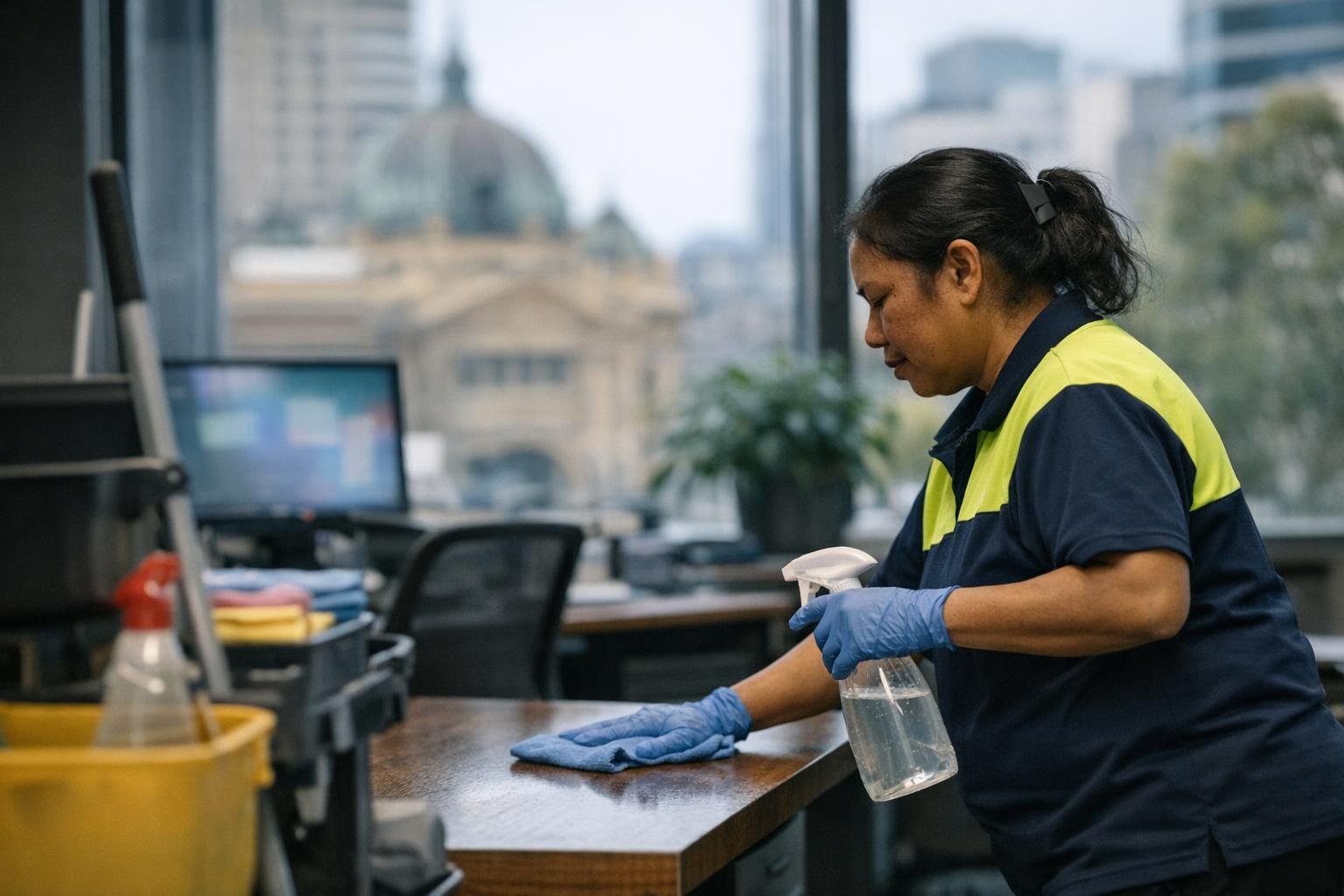
Meeting Room Hygiene means keeping conference rooms clean and safe. It stops disease from spreading. It helps workers feel good. It creates a pro space for meetings and talks.
This includes cleaning surfaces regularly. It means disinfecting (killing germs on) high-touch spots. It includes managing air quality. It means removing trash based on how much the room gets used.
In modern workplaces, meeting rooms are where people gather. Employees, clients, and partners work together there. These spaces get touched a lot during the day. That makes them risky places for germs to spread. Meeting room hygiene fixes this problem. It uses cleaning schedules and disinfectants. It follows pro rules that match workplace health rules.
In our experience, meeting room hygiene goes beyond just being tidy. It includes sanitizing (killing germs on) conference tables. It means cleaning chairs, whiteboards, and tech equipment. It includes door handles and light switches. It means caring for ventilation (air flow) systems too.
Proper hygiene also removes food waste. It restocks supplies. It keeps the space smelling fresh. That shows pro standards.
Why Meeting Room Hygiene Matters for Office Cleaning Customers
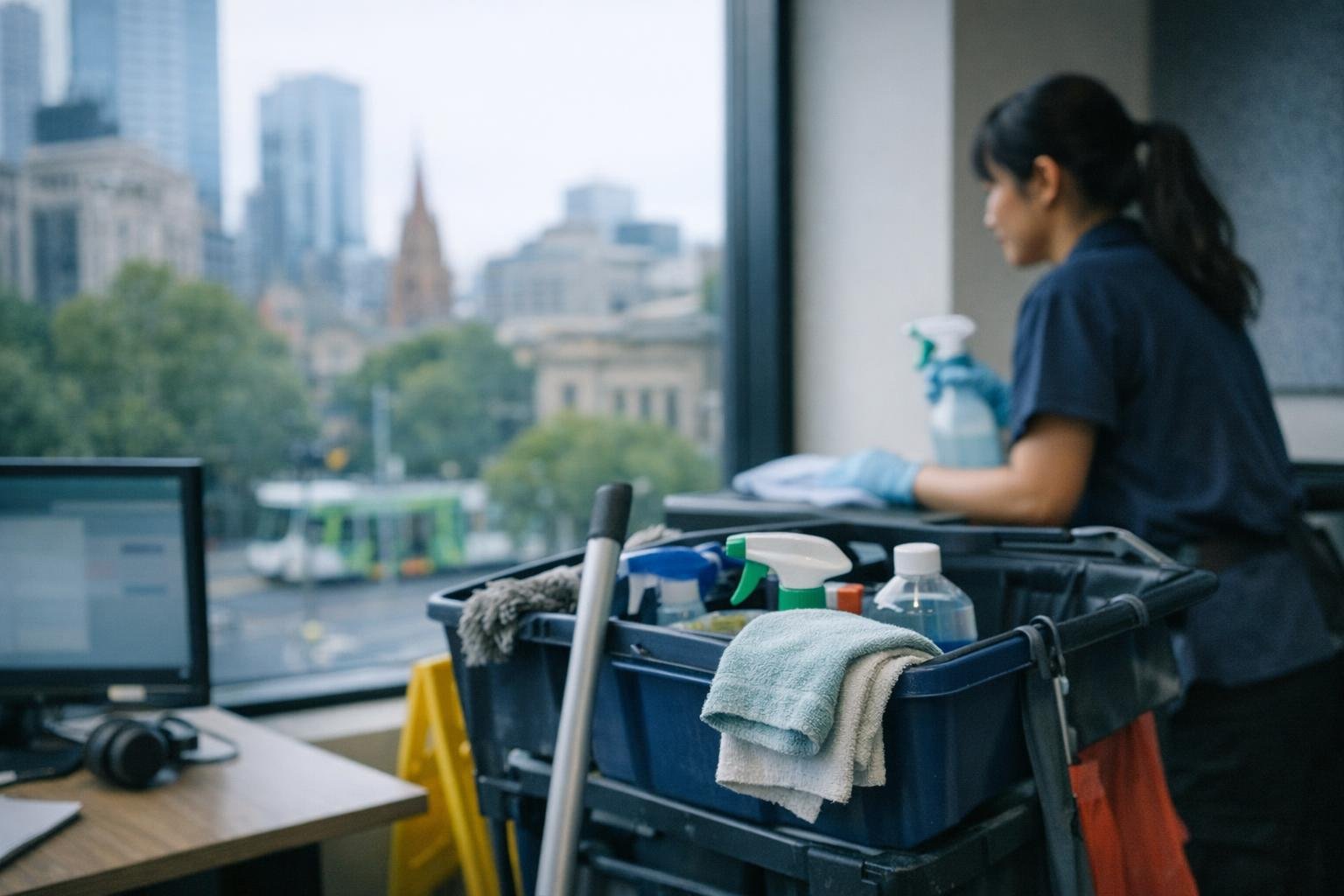
For Melbourne CBD office managers and business owners, this matters a lot. Clean meeting rooms keep workers healthy. They boost productivity. They make clients happy.
A well-kept meeting space reduces sick days. It stops seasonal illnesses from spreading. It shows you care about your staff. Clients and partners notice how clean your office is. They form opinions based on cleanliness. That makes hygiene a business asset (something valuable).
Skipping meeting room hygiene causes problems. You'll see visible dirt and bad smells. Illness spreads fast through your workforce. This leads to less work getting done. More people call in sick. Your reputation (what people think of you) can suffer.
Pro meeting room hygiene services help you. They keep standards consistent. They follow workplace health rules. You'll have peace of mind. Your spaces will meet modern cleanliness needs.
How Meeting Room Hygiene Fits Into Office Cleaning Services in Melbourne CBD
Office cleaning companies in Melbourne CBD offer this service. Pro cleaners follow set steps. They disinfect surfaces every day. They do deep cleaning once a week. They treat tech equipment specially.
Services happen around business hours. This cuts down on disruption. Peak hygiene standards stay in place.
Melbourne CBD offices need custom meeting room cleaning. Conference facilities get lots of traffic. Multiple bookings happen every day. Quick turnarounds between sessions are needed.
Pro cleaning services give you documented hygiene rules. Staff are trained well. Disinfectants meet Australian workplace health rules. Your meeting spaces stay safe and clean. They're ready for business at all times.
Meeting Room Hygiene in Practice: A Real-World Example
A Melbourne CBD law firm with four meeting rooms books daily disinfection services at 8 AM and 5 PM. The cleaning team sanitizes all conference tables, chairs, door handles, and technology equipment between client meetings. This routine prevents illness transmission among staff and creates a hygienic environment that impresses visiting clients and demonstrates professional standards.
Sources & Further Reading on Meeting Room Hygiene
- Safe Work Australia - Workplace Health and Safety Standards
- Australian Standard AS/NZS 3931:2009 - Cleaning and Disinfection of Premises
Office Cleaning Services Related to Meeting Room Hygiene
Frequently Asked Questions About Meeting Room Hygiene
How often should meeting rooms be cleaned for proper hygiene?
Meeting rooms should be cleaned at minimum daily, with high-touch surfaces disinfected multiple times per day in busy Melbourne CBD offices. The frequency depends on room usage, number of occupants, and industry standards. Professional cleaning services typically schedule morning and evening cleaning sessions, with spot disinfection between high-traffic periods.
What surfaces are most important to disinfect in a meeting room?
High-touch surfaces require priority disinfection, including conference tables, chairs, door handles, light switches, remote controls, and technology equipment like keyboards and screens. These areas accumulate the most bacteria and viruses. Professional cleaners use appropriate disinfectants proven effective against common workplace pathogens.
Does meeting room hygiene affect employee health and productivity?
Yes, proper meeting room hygiene significantly reduces illness transmission, decreases sick leave absences, and improves employee morale. Clean, well-maintained spaces create a healthier work environment and demonstrate organizational commitment to staff wellbeing, directly supporting productivity and workplace satisfaction.
Have Questions About Meeting Room Hygiene?
Contact our office cleaning experts in Melbourne CBD for professional guidance.